
Bio
Dr. Md Fashiar Rahman is an Assistant Professor in the Department of Industrial, Manufacturing, and Systems Engineering (IMSE) at The University of Texas at El Paso. He earned his Ph.D. (2021) and M.S. (2018) in Computational Science, with a strong research background in image data mining, machine learning, and deep learning, particularly in industrial and healthcare applications. His expertise spans data analytics, computer modeling and simulation, artificial intelligence in healthcare, smart manufacturing, computational intelligence, and advanced quality technology. Dr. Rahman’s research has received funding from various prestigious agencies, including the National Science Foundation (NSF), the U.S. Department of Education, and Lockheed Martin. His scholarly work has been widely published in peer-reviewed journals and conferences, including Biomedical Signal Processing and Control, Diagnostics, Journal of Systems Science, Journal of X-Ray Science and Technology, Journal of Visual Communication and Image Representation, CIRP Manufacturing Letters, Winter Simulation Conference, ASEE, and IISE Annual Conference and Expo, among others. Beyond his research and academic contributions, Dr. Rahman has played an active leadership role in the professional community. He has served as Secretary, Program Chair, and Division Chair of the Manufacturing Division of the American Society for Engineering Education (ASEE), further demonstrating his commitment to advancing engineering education and research.
Research Interests
- Applied Artificial Intelligence
- Deep Learning
- Computer Modeling and Simulation
- Smart Manufacturing
- Digital Twins
- Healthcare Systems
- Big Data Analytics
System Innovation With Modeling and Simulation (SIMS) Laboratory
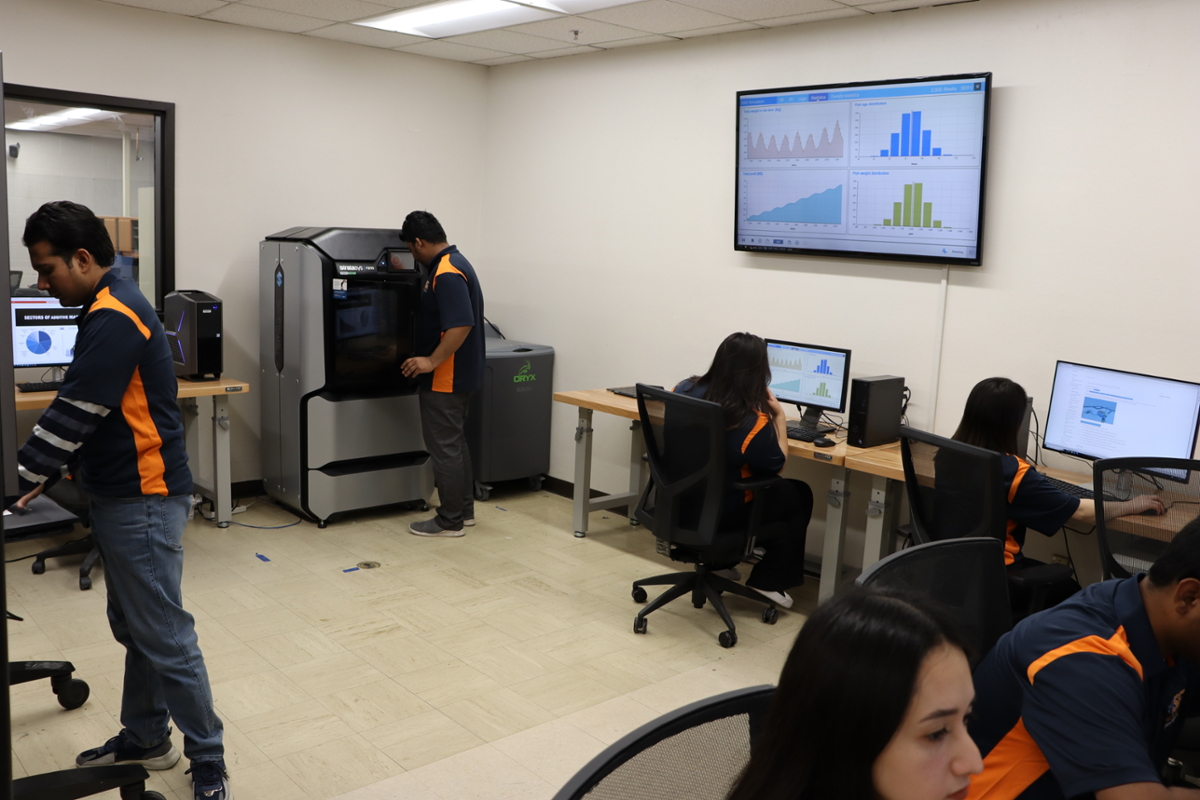
Dr. Rahman serves as the director of the System Innovation with Modeling and Simulation (SIMS) Laboratory, which was established through the collaborative efforts of Dr. Rahman and Dr. Tseng, with partial funding from the U.S. Department of Education’s FIPSE program. The SIMS Laboratory is committed to pioneering innovative solutions for complex ecosystems, particularly in manufacturing and healthcare, by harnessing advanced computational techniques (Check our video on YouTube). Our research integrates five intertwined thrusts: 1) Systems Modeling and Simulation, 2) Digital Twins, 2) Smart Manufacturing, 4) Intelligent Supply Chain, and 5) Healthcare Data Analytics. By bridging theoretical advancements with practical applications, we strive to address real-world challenges, improve system efficiency, and develop the next generation of intelligent, data-driven solutions. Through interdisciplinary collaboration and state-of-the-art technologies, the SIMS Laboratory remains at the forefront of transforming industrial and healthcare systems for a smarter, more efficient future.
Brief Description of SIMS Research Thrusts
 Research Thrust 1: Systems Modeling and Simulation (SMS)
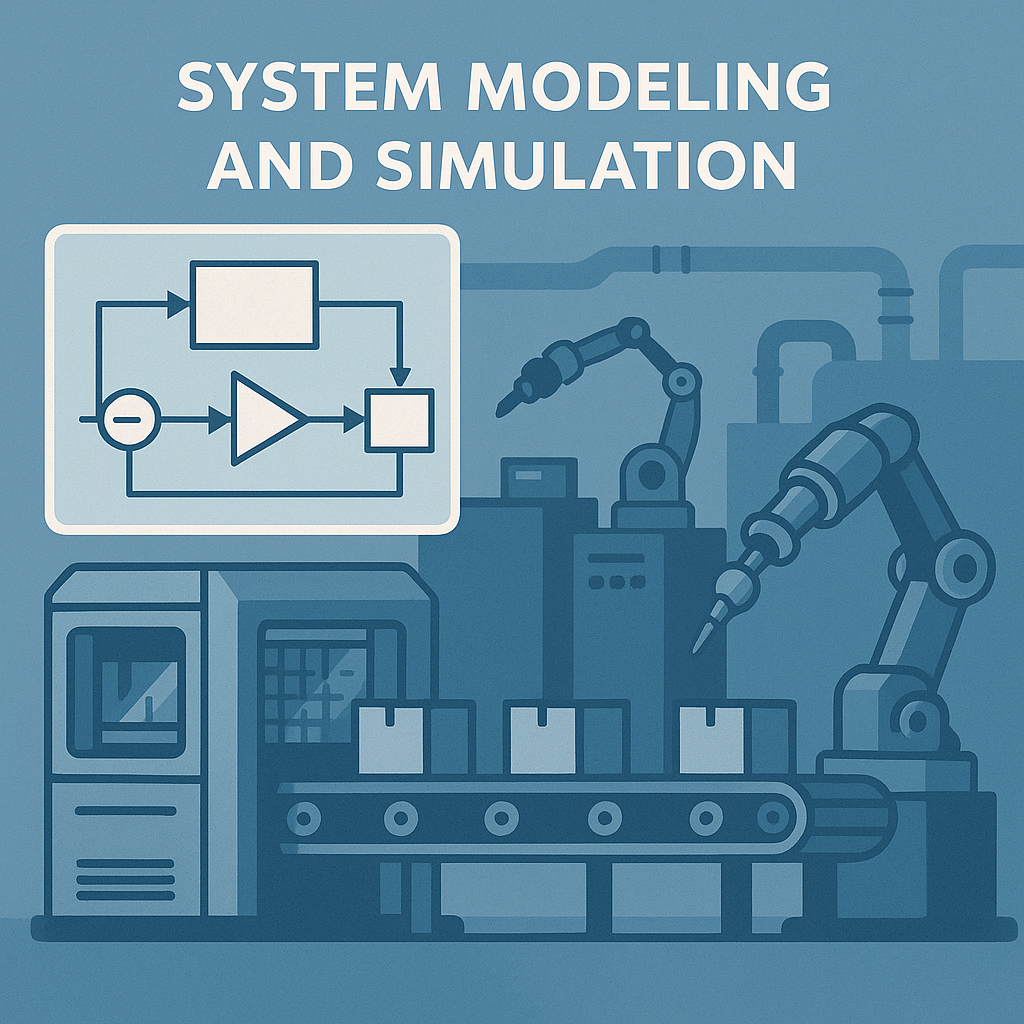
SMS aims to create advanced virtual models that replicate and analyze any complex ecosystems. By integrating key modeling techniques such as Discrete Event Simulation (DES), Agent-Based Modeling (AB), and Systems Dynamics (SD), this research enables the simulation of various manufacturing and healthcare scenarios. The focus is on performing multi-scenario experiments, conducting in-depth what-if analyses, and validating processes in a risk-free environment, ultimately providing insights for process optimization, resource allocation, and decision-making without real-world consequences. These models help improve system performance, predict potential risks, and support data-driven strategies in complex operations.
 Research Thrust 2: Digital Twins (DTs)
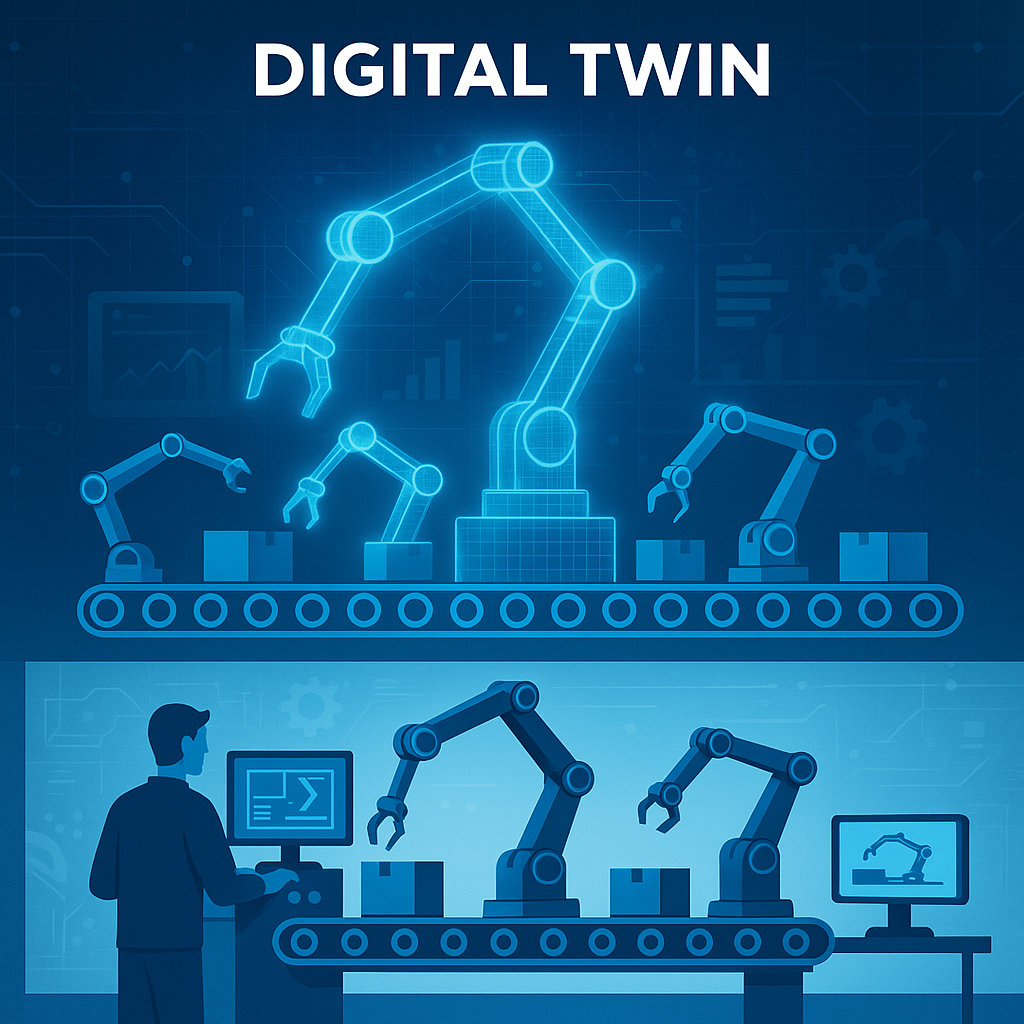
The DT research thrust, similar to the SMS, focuses on creating dynamic virtual models of physical systems. However, it uniquely integrates physics-based models with real-time data from sensors or vision systems embedded in the physical counterpart. Our team is developing multi-physics DTs that combine thermal, mechanical, and material behavior modeling, enhanced with AI/ML algorithms. This research bridges the gap between physical and digital environments, enabling more efficient, adaptive, and responsive manufacturing processes, improving decision-making, process optimization, and predictive maintenance.
 Research Thrust 3: Smart Manufacturing
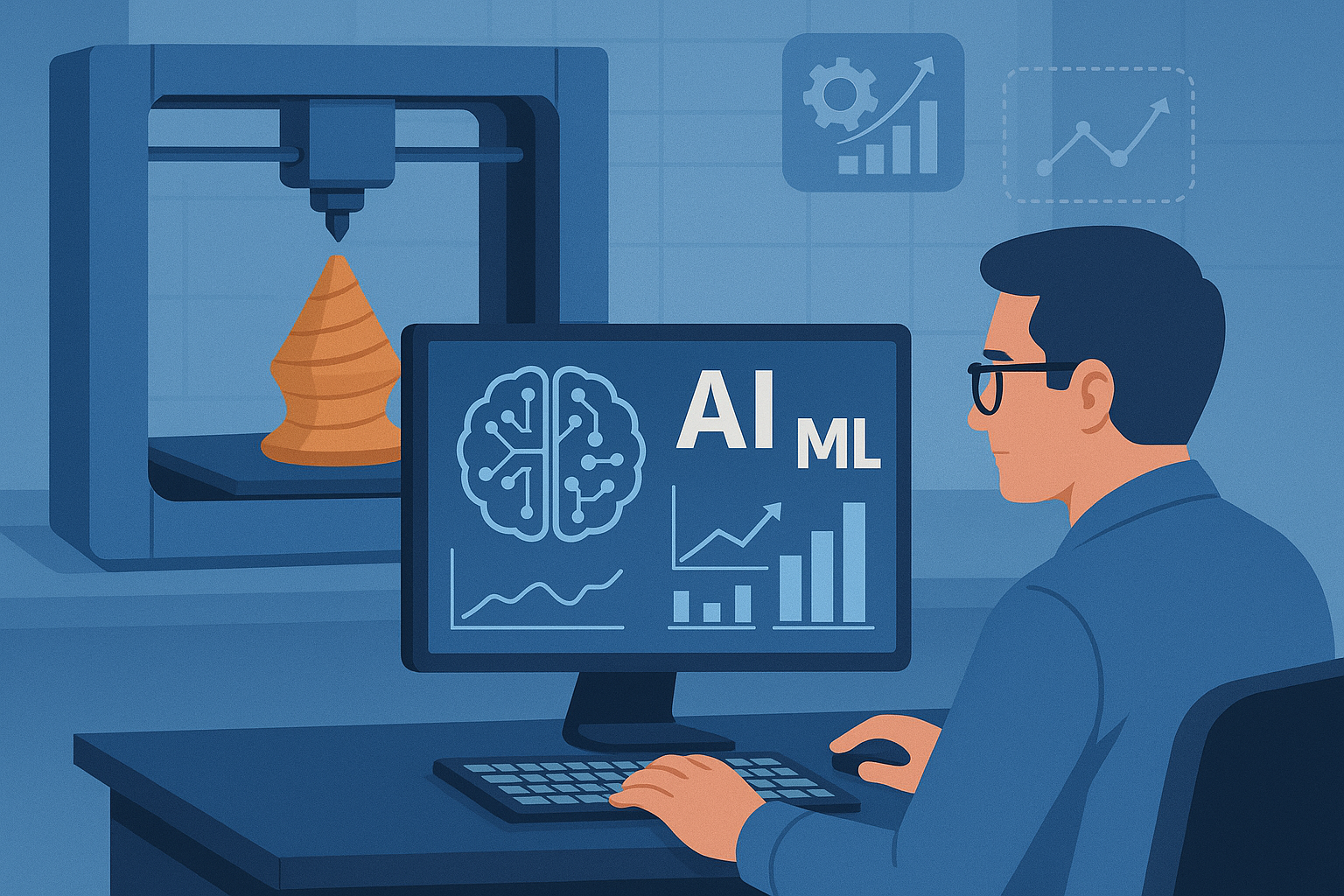
The research thrust focuses on integrating cutting-edge technologies such as artificial intelligence (AI), machine learning, and big data analytics into manufacturing processes. Our team aims to enhance automation, enable real-time monitoring, and implement closed-loop control systems. These advancements are designed to improve productivity, minimize human intervention, and create adaptive manufacturing systems capable of responding to changing demands, ultimately paving the way for smarter, more efficient manufacturing operations in the future industrial landscape.
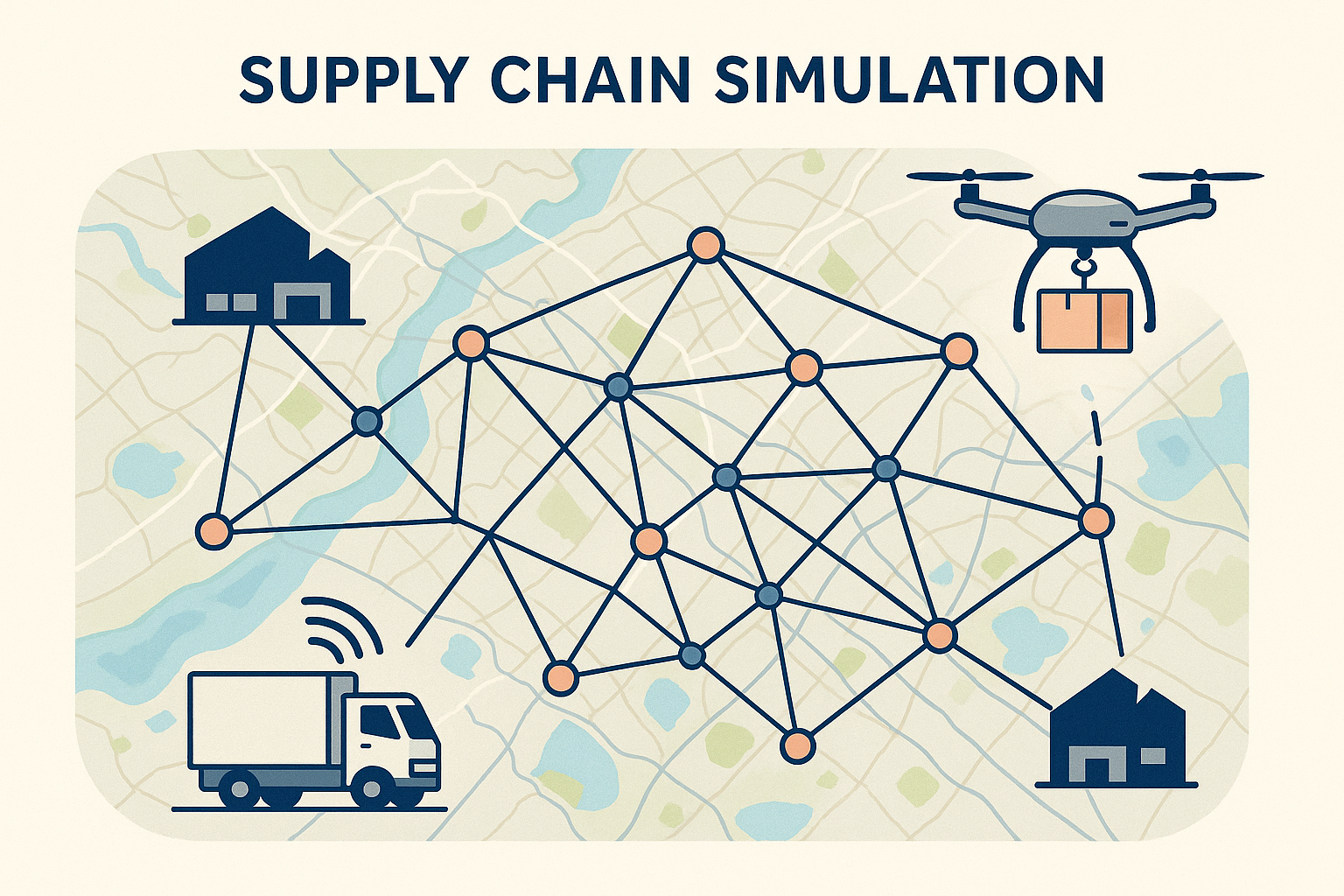 Research Thrust 4: Intelligent Supply Chain
The Intelligent Supply Chain research aims to revolutionize supply chain operations by leveraging advanced technologies such as real-time GIS data, knowledge graphs, and automated data extraction. Our work optimizes decision-making, improves operational efficiency, and mitigates supply chain risks. By integrating these technologies, we enable real-time monitoring, predictive analytics, and seamless information flow, enhancing supply chain resilience, adaptability, and responsiveness, ultimately ensuring better performance and risk management in dynamic environments.
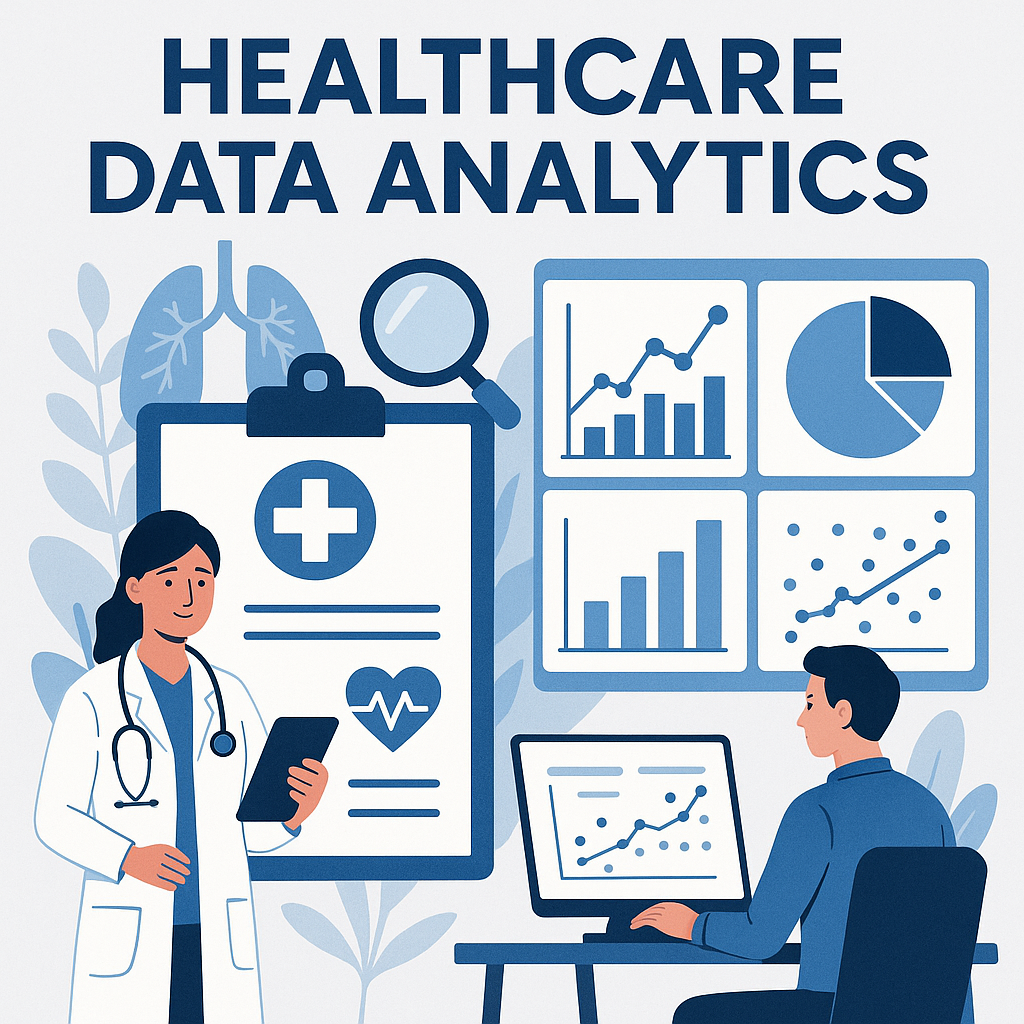 Research Thrust 5: Healthcare Data Analytics
This research thrust focuses on advancing biomedical image analysis techniques, such as CT, MRI, and X-ray imaging, to improve diagnostics and treatment planning. We integrate cutting-edge machine learning algorithms for tasks like image segmentation, anomaly detection, and predictive analytics. These innovations aim to enhance patient outcomes, optimize healthcare workflows, predict Length-of-Stay (LOS), and provide real-time, data-driven insights for personalized care, supporting informed medical decision-making and more efficient and smart healthcare delivery.
Available Resources and Equipment
The SIMS Laboratory is well-equipped to support advanced research in computational modeling, AI, and simulation. It features six student workstations with computers running standard Microsoft-based software, one high-performance GPU workstation, and a Linux-based Lambda server with four RTX A6000 GPUs for intensive computational tasks. The lab is also outfitted with a F370 Stratasys 3D printer for rapid prototyping, two Makerbot 3D printers, Siemens S7 PLC emulator, infrared thermal camera, and several types of sensors for data acquisition. Specialized software includes AnyLogic Multimethod simulation software, FlexSim, AnSys, Unity, and a suite of Python-based AI/ML libraries (TensorFlow, Keras, PyTorch, Scikit-Learn, Seaborn, Plotly, Pandas, etc.). Currently, six students are working on diverse projects in this well-equipped and resource-rich environment.
| Equipment | Description | Quantity | Features |
|---|---|---|---|
| Student Workstations | Computers with standard Microsoft-based software | 6 | Standard software, office applications, basic computational tools |
| GPU Workstation | High-performance workstation for computational tasks | 1 | High-performance GPU for intensive tasks, AI/ML applications |
| Lambda Server (Linux-based) | Server with four RTX A6000 GPUs for intensive AI/ML tasks | 1 | Four RTX A6000 GPUs, Linux-based system for large-scale computations |
| F370 Stratasys 3D Printer | Used for rapid prototyping | 1 | High-quality 3D printing for prototypes and models |
| Makerbot 3D Printers | 3D printers for various prototyping applications | 2 | Suitable for small-scale prototyping, versatile printing options |
| Siemens S7 Emulator | Simulation software for emulating Siemens S7 PLCs | 1 | Supports testing and emulation of Siemens S7 PLC systems without physical hardware |
| Digital Twin Conveyor | Digital Twin simulation for conveyor system in manufacturing | 1 | Real-time simulation of conveyor systems for quality monitoring |
| AnyLogic Multimethod Simulation | Software for multitudes of simulation methodologies | 1 | Supports agent-based, discrete-event, and system dynamics simulation |
| FlexSim Software | Simulation software for process modeling | 1 | Advanced tools for process optimization and modeling |
| AnSys | Simulation software for engineering and analysis | 1 | Engineering simulation for structural, thermal, and fluid dynamics |
| Unity | Software for real-time 3D development and simulation | 1 | Real-time 3D simulation, game development, AR/VR support |
| Python (AI/ML Libraries) | Includes TensorFlow, Keras, PyTorch, Scikit-Learn, Seaborn, Plotly, Pandas, etc. | 1 | Python libraries for machine learning, data analysis, and visualization |
| Dell Interactive Touch Monitor | Mounted on a movable mount for research demo and presentation | 1 | 65” 4K C6522QT Touch Monitor and Whiteboard |